
Why You Should Always Choose a Qualified Arborist Sydney
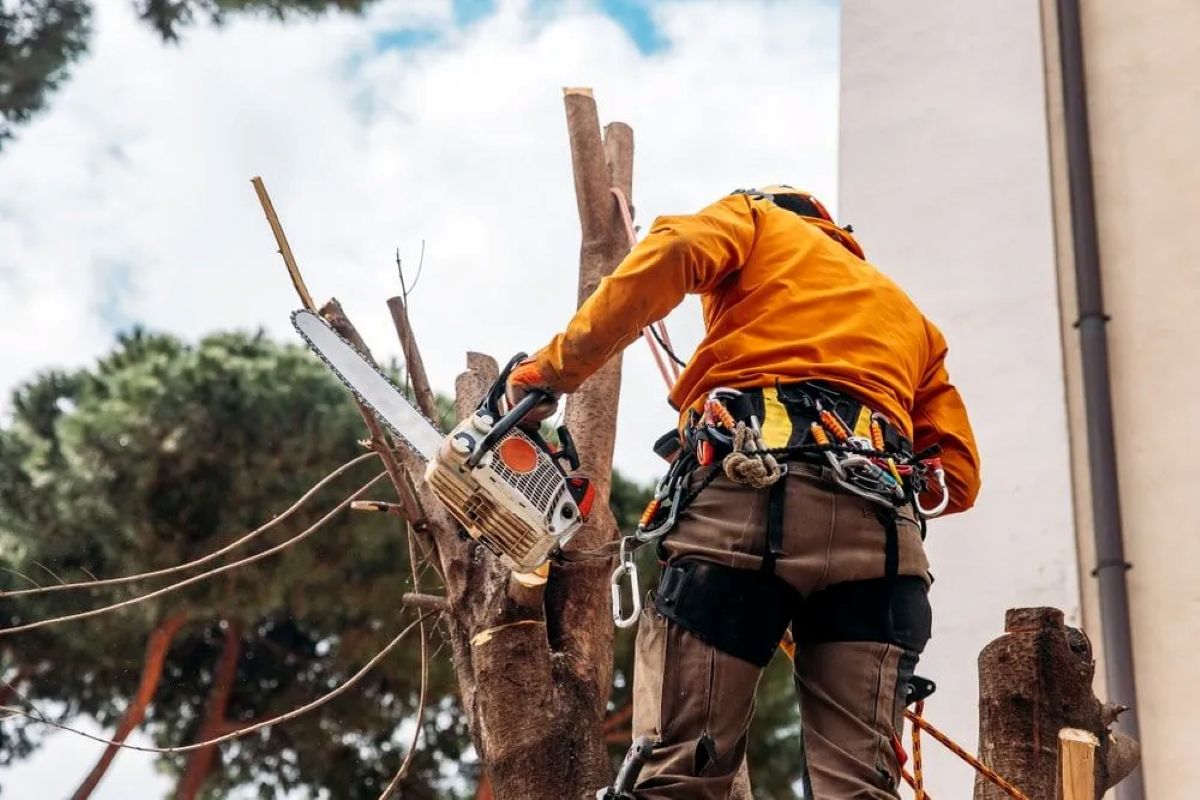
Why Should You Choose a Qualified Arborist in Sydney?
Choosing a qualified arborist Sydney ensures your trees receive expert care that protects both their health and your property’s value. Professional arboriculture involves specialized knowledge that goes far beyond basic gardening, encompassing tree biology, disease management, safety protocols, and legal compliance.
The Challenges of Tree Management in Sydney
Sydney’s urban landscape presents unique challenges for tree management. The city’s diverse climate zones, native species requirements, and strict council regulations demand expertise that only certified professionals possess. Attempting DIY tree work or hiring unqualified contractors can result in:
- Irreversible damage to trees
- Property destruction
- Legal penalties
- Serious safety risks
The Benefits of Hiring a Qualified Arborist
Key benefits of hiring qualified arborist Sydney professionals include:
- Certified expertise through AQF Level 5 qualifications and professional memberships
- Legal compliance with Sydney council regulations and tree protection orders
- Comprehensive insurance coverage protecting you from liability during tree work
- Specialized equipment for safe and efficient tree care operations
- Long-term cost savings through proper maintenance preventing expensive emergency removals
The difference between qualified and unqualified tree workers becomes evident when complex situations arise. A certified arborist can accurately diagnose diseases, assess structural risks, navigate permit requirements, and execute pruning techniques that promote tree longevity. This tree care expertise translates directly into healthier trees, safer properties, and compliance with environmental protection standards.
Investing in professional arboriculture services protects your property investment while contributing to Sydney’s urban forest health.
What Qualifications Should a Sydney Arborist Have?
A qualified Sydney arborist must hold at least an AQF Level 5 Diploma in Arboriculture, which represents the industry’s gold standard for professional tree care expertise. This certification demonstrates comprehensive training in tree biology, advanced pruning techniques, risk assessment methodologies, and proper use of specialized equipment.
Understanding AQF Level 5 Certification
The Australian Qualifications Framework (AQF) Level 5 certification requires extensive theoretical knowledge combined with practical field experience. Arborists at this level can:
- Diagnose complex tree health issues and prescribe appropriate treatments
- Conduct detailed risk assessments for trees in urban environments
- Design and implement comprehensive tree management plans
- Supervise tree care operations while maintaining safety standards
- Apply advanced climbing and rigging techniques for difficult tree work
This qualification typically requires 2-3 years of dedicated study and hands-on training, ensuring arborists possess the depth of knowledge needed to handle Sydney’s diverse tree care challenges. The certification covers critical areas including soil science, plant pathology, entomology, and structural engineering principles as they relate to trees.
Professional Membership Requirements
Membership in Arboriculture Australia or similar professional arboriculture associations signals an arborist’s commitment to ongoing professional development and ethical practice. These organizations require members to:
- Maintain current certifications through continuing education
- Adhere to strict codes of conduct and professional ethics
- Stay updated on latest research and best practices in tree care
- Participate in peer review and industry knowledge sharing
Professional association members gain access to specialized training workshops, technical resources, and networking opportunities that keep their skills sharp. They’re also held accountable to industry standards, providing clients with an additional layer of quality assurance.
Compliance with Australian Standards
Qualified arborists must demonstrate thorough knowledge of AS 4373-2007 (Pruning of Amenity Trees) and other relevant Australian standards governing tree care practices. These standards establish:
- Proper pruning cuts and techniques to minimize tree damage
- Safety protocols for tree climbing and aerial operations
- Equipment maintenance and inspection requirements
- Documentation procedures for tree assessments and work performed
Why Is Local Knowledge Important When Choosing an Arborist in Sydney?
Local knowledge directly impacts the success of tree care interventions. An arborist familiar with Sydney environmental conditions understands how the city’s coastal humidity, seasonal rainfall patterns, and temperature fluctuations affect tree health and growth cycles.
Understanding Sydney’s Unique Climate and Environmental Challenges
Sydney’s subtropical climate creates specific challenges for tree maintenance. The combination of hot, humid summers and mild winters influences when trees should be pruned, how often they require watering, and which diseases become prevalent during different seasons.
Coastal areas experience salt spray exposure that damages foliage and weakens tree structures. Western suburbs face hotter, drier conditions requiring different irrigation strategies. A qualified arborist with local experience recognizes these microclimates and adjusts care protocols accordingly.
Urban heat island effects in densely built areas stress trees differently than those in leafy suburbs. Local arborists identify heat-stressed specimens early and implement targeted interventions before permanent damage occurs.
Familiarity with Native Tree Species and Their Care Requirements
Sydney’s landscape includes diverse local tree species, each with distinct care needs. Eucalyptus varieties dominate many areas, requiring specific pruning techniques that differ from exotic species. Improper cutting of eucalypts can trigger epicormic growth or invite disease.
Common Sydney native species requiring specialized knowledge:
- Angophora costata (Sydney Red Gum) – sensitive to root disturbance
- Syncarpia glomulifera (Turpentine) – requires careful branch collar preservation
- Allocasuarina torulosa (Forest Oak) – needs minimal intervention pruning
- Banksia integrifolia (Coast Banksia) – vulnerable to Phytophthora root rot
Local arborists understand growth patterns, seasonal changes, and natural defense mechanisms of these species. They know which trees tolerate heavy pruning and which require conservative approaches to maintain vigor.
Expertise in Managing Local Pests and Diseases Affecting Trees
Pest control Sydney requires knowledge of region-specific threats. The Psyllid infestations affecting eucalypts, Longicorn beetles boring into wattles, and Scale insects attacking native
How Do Qualified Arborists Ensure Compliance with Local Laws and Regulations?
Qualified arborists navigate Sydney’s complex tree protection framework by staying current with council regulations and securing necessary approvals before any work begins. They understand that unauthorized tree work can result in fines exceeding $1.1 million for individuals and significantly more for corporations under NSW legislation.
Understanding Council Regulations Sydney
Sydney councils maintain strict tree preservation orders that protect significant trees based on species, size, location, and heritage value. Each local government area has specific Development Control Plans (DCPs) that classify trees as:
- Significant trees: Generally those with trunk diameters exceeding 200mm or heights above certain thresholds
- Heritage-listed trees: Protected due to historical or cultural importance
- Street trees: Owned and managed by councils regardless of proximity to private property
- Trees in conservation zones: Subject to additional environmental protections
Qualified arborists assess whether proposed tree work falls under these categories and determine the appropriate approval pathway. They know that even pruning can require permits if it exceeds 10% of the canopy or involves protected species.
Securing Permits and Approvals
Professional arborists handle the entire permit application process, preparing detailed arborist reports that councils require for approval. These reports include:
- Tree species identification and health assessments
- Justification for proposed work based on safety or tree health
- Photographic evidence and site plans
- Alternative solutions to tree removal where possible
- Replacement planting recommendations
The application process typically takes 21-28 days, though qualified arborists expedite this by submitting complete documentation that meets council standards. They communicate directly with council officers to address queries and ensure applications progress smoothly.
Legal Compliance Arborists Provide
Working with certified professionals protects property owners from substantial legal and financial consequences. Councils actively monitor tree work through complaint systems and routine inspections. Violations of tree protection laws result in:
- Immediate stop-work orders halting all tree operations
- Penalty notices ranging from $1,100 to $22,000 for individuals
- Court-imposed fines reaching millions for serious breaches
- Remediation orders requiring expensive replacement plantings
What Tree Care Services Do Qualified Arborists Provide?
Qualified arborists offer a wide range of tree care services that go beyond just basic trimming. Their specialized training allows them to handle complex tree health issues, structural problems, and aesthetic needs using evidence-based practices tailored to each tree’s specific requirements.
Professional Pruning Techniques for Health and Aesthetics
Pruning services Sydney professionals use scientifically proven cutting methods that promote healthy growth while preserving the tree’s natural shape. Qualified arborists understand how trees respond biologically to pruning cuts and make each incision in a way that encourages proper healing and minimizes stress.
Strategic pruning involves removing:
- Dead or diseased branches that could spread infection
- Crossing limbs that create friction wounds
- Weak branch unions prone to failure
- Growth that interferes with structures or utilities
Arborists schedule their pruning interventions based on the specific needs of each tree species. For example, eucalyptus trees respond best to pruning in late winter, while flowering native plants like Grevillea require trimming after they bloom to maintain their display. This knowledge helps prevent shock and maximizes the tree’s recovery potential.
Crown thinning techniques allow more light and air to reach the inner parts of the canopy, reducing disease pressure from fungal pathogens that thrive in humid, stagnant conditions. Qualified practitioners maintain the tree’s natural shape while achieving client goals such as clearing views, reducing shade, or improving resistance to storms.
Conducting Risk Assessments to Ensure Safety Around Trees
Tree risk assessments are an important part of professional arboricultural services, especially in urban areas where trees grow close to buildings, pathways, and public spaces. Certified arborists use systematic evaluation methods to identify potential hazards before they cause property damage or personal injury.
The assessment process focuses on three main factors:
- Target identification – figuring out what could be hit if the tree fails
- Likelihood of failure – assessing structural defects, decay, and load stresses
- Consequences of impact – evaluating how severe the damage could be
Arborists inspect the stability of the root plate by looking for signs of soil heaving, exposed roots, or fungal fruiting bodies that indicate internal decay. They assess the integrity of the trunk through visual inspection and sounding techniques.
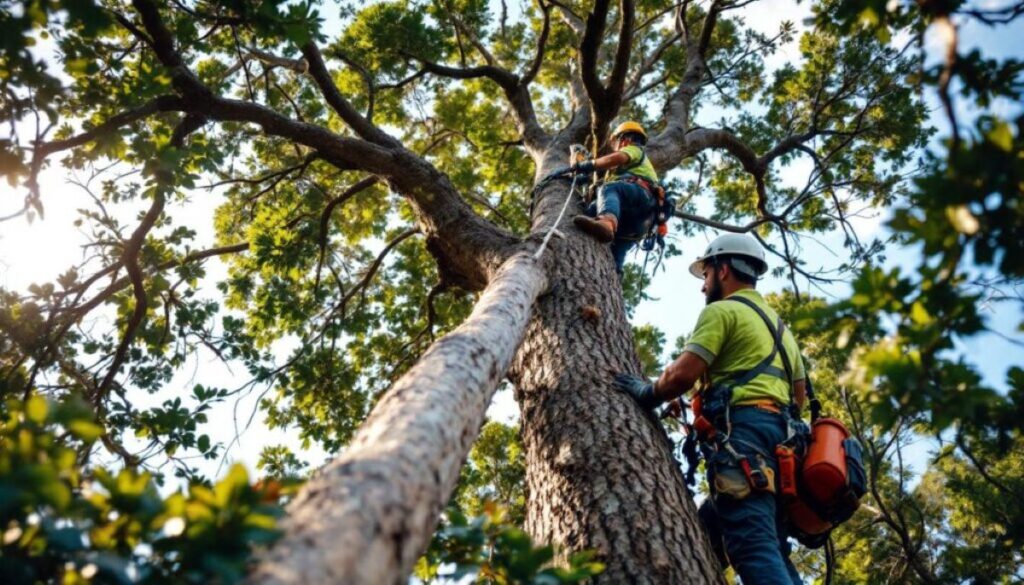
How Does Hiring a Qualified Arborist Benefit Property Owners?
Qualified arborists transform properties through strategic tree management that directly impacts curb appeal and market value. Their expertise goes beyond basic maintenance, delivering measurable returns through improved aesthetics, increased property valuations, and risk mitigation.
Enhancing Property Aesthetics Through Expert Tree Care
Professional arborists shape trees to complement architectural features and landscape design. They understand growth patterns, canopy balance, and structural integrity, creating visually appealing forms that mature gracefully over time. Strategic pruning removes dead wood, opens sight lines, and allows natural light to filter through branches while maintaining the tree’s natural character.
Well-maintained trees frame properties, soften hard landscaping, and create focal points that distinguish homes from neighboring properties. Arborists select appropriate species for specific locations, considering mature size, seasonal interest, and compatibility with existing vegetation. This thoughtful approach prevents common mistakes like planting large trees near structures or choosing species prone to surface root damage.
Property Value Tree Maintenance Creates Financial Returns
Research consistently shows mature, healthy trees increase property values by 7-19% compared to similar properties without established trees. Real estate agents recognize this premium, often highlighting specimen trees in property listings. Qualified arborists maintain this investment through regular health assessments, nutrient management, and preventative treatments.
Trees provide tangible benefits that appraisers consider during valuations:
- Energy savings through strategic shade placement reducing cooling costs by up to 30%
- Privacy screening eliminating the need for expensive fencing or artificial barriers
- Noise reduction buffering street sounds and creating peaceful outdoor spaces
- Erosion control stabilizing soil on sloped properties
Neglected trees become liabilities rather than assets. Diseased specimens, hazardous limbs, or poorly maintained trees signal deferred maintenance to potential buyers, triggering price reductions or inspection concerns. Regular professional care prevents these depreciation factors.
Safe Tree Removal Sydney Services Protect Property and People
Removing trees requires specialized knowledge, equipment, and insurance coverage that qualified arborists provide. They assess removal complexity, identifying potential hazards like power lines, structures, underground utilities, and neighboring property considerations. You may like to visit https://branfordflowershop.com/finding-a-reputable-tree-removal-near-me-in-the-western-suburbs/ to get about finding a reputable tree removal near me in the Western Suburbs.
How Do Qualified Arborists Support Urban Environmental Health?
Qualified arborists are like guardians of Sydney’s urban forests. They use strategic care practices to make ecosystems stronger and promote biodiversity. But their expertise goes beyond just taking care of individual trees. They also manage the entire urban green spaces that residents depend on for a healthy environment.
The Role of Qualified Arborists
Through regular health check-ups, targeted interventions, and evidence-based planning, these professionals ensure that tree populations are healthy enough to handle urban challenges such as pollution, heat islands, and soil compaction.
Here are some ways in which qualified arborists support urban environmental health:
- Implementing strategic care practices for ecosystem resilience
- Managing urban green spaces for environmental balance
- Conducting regular health assessments of trees
- Taking targeted actions to address specific issues
- Planning based on scientific evidence for better outcomes
Specialized Knowledge for Long-Term Health
Promoting long-term health of urban forests and green spaces requires specialized knowledge that certified arborists bring to every project. They understand succession planning for aging tree populations, selecting appropriate species for specific microclimates, and creating maintenance schedules that align with natural growth cycles.
This forward-thinking approach prevents the decline of established canopies while encouraging new growth that will serve future generations.
The Ecological Benefits of Trees
The ecological benefits trees provide multiply exponentially when managed by qualified professionals who understand plant physiology and environmental science. Well-maintained trees produce more oxygen, filter greater volumes of airborne pollutants, and create habitats for native wildlife.
Arborists identify which trees contribute most significantly to local ecosystems and prioritize their preservation through proactive care strategies.
Contributions to Improved Air Quality Through Well-Maintained Trees
Healthy trees function as natural air purification systems, and qualified arborists maximize this capacity through expert care. Properly pruned trees develop fuller canopies with increased leaf surface area, capturing more particulate matter and absorbing higher concentrations of nitrogen dioxide, sulfur dioxide, and ozone.
Sydney’s urban environment benefits measurably when arborists maintain trees at peak health, as a single mature tree can remove up to 48 pounds of carbon dioxide annually while releasing enough oxygen for two people.
Supporting Carbon Absorption Efforts as Part of Climate Initiatives
Carbon absorption trees managed by qualified arborists play a critical role in Sydney’s climate action strategies. These professionals understand which species store carbon most effectively and implement management practices that enhance this process.
By prioritizing the care of these trees within urban landscapes, arborists contribute directly to mitigating climate change impacts and promoting sustainable development goals.
Their expertise extends beyond individual tree maintenance to comprehensive management of urban green spaces Sydney residents rely on for environmental balance.
Why Is Insurance Coverage Important When Hiring an Arborist?
Arborist insurance coverage Sydney protects both property owners and workers from financial liability during tree care operations. Tree work involves inherent risks—falling branches, equipment malfunctions, and property damage can occur even with experienced professionals, making comprehensive insurance non-negotiable.
What Types of Insurance Do Qualified Arborists Carry?
Professional arborists maintain multiple insurance policies to cover different aspects of their work. Public liability insurance covers damage to third-party property or injuries to bystanders during tree operations. This protection extends to neighbouring properties, vehicles, fences, and structures that might be affected by falling debris or equipment.
Workers compensation insurance protects employees who sustain injuries while performing tree services on your property. Without this coverage, property owners could face legal claims if an uninsured worker gets hurt during a job.
Professional indemnity insurance covers errors in judgment or advice that lead to financial loss. If an arborist incorrectly diagnoses a tree disease or recommends removal when preservation was possible, this policy protects against resulting claims.
How Does Insurance Protect Property Owners?
Tree removal and maintenance involve heavy machinery, climbing equipment, and powerful cutting tools operating near homes and structures. A qualified arborist’s insurance shields you from bearing the financial burden if something goes wrong. When a branch falls through a roof during removal or equipment damages underground utilities, the arborist’s liability protection tree services cover repair costs without affecting your homeowner’s insurance.
Uninsured operators leave property owners vulnerable to lawsuits and out-of-pocket expenses. If an uninsured worker falls from a tree on your property, you could face medical bills and legal fees that reach hundreds of thousands of dollars.
What Peace of Mind Does Professional Coverage Provide?
Verifying insurance credentials before hiring creates a safety net for your investment. Qualified arborists willingly provide certificates of currency showing active policies with adequate coverage limits—typically minimum $10 million public liability coverage in Sydney.
This documentation confirms the arborist operates as a legitimate business with proper risk management protocols. Companies that invest in comprehensive insurance demonstrate professionalism and financial stability, indicating they plan to remain operational long-term to address any future concerns.
Requesting proof of insurance also
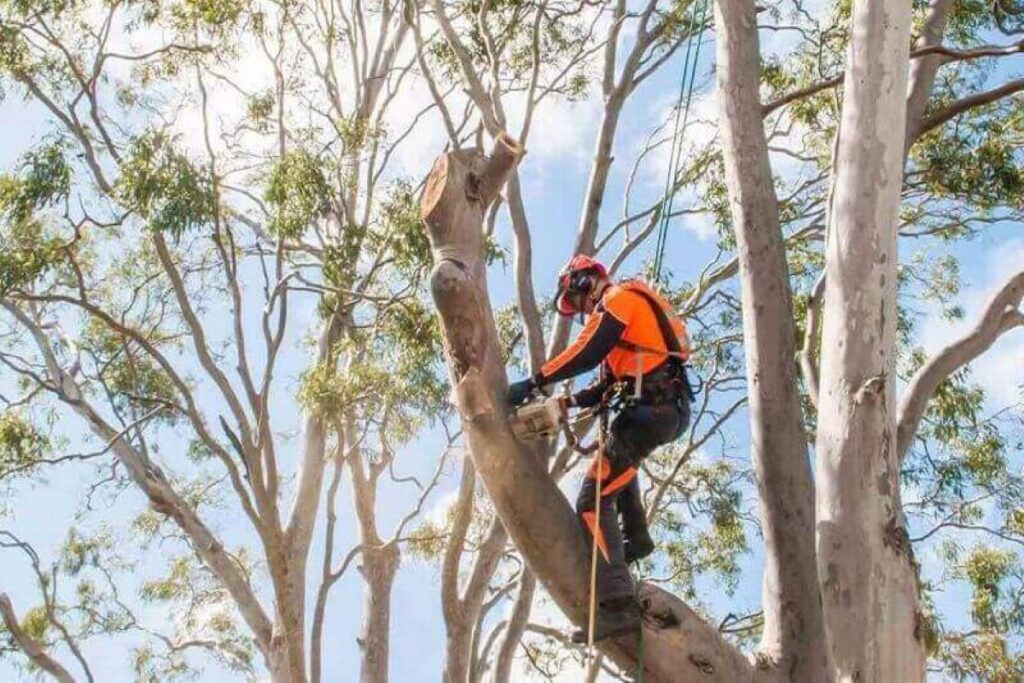
Where Can You Find a Qualified Arborist in Sydney?
Finding qualified tree care professionals in Sydney requires knowing where to look and what credentials to verify. Multiple reliable resources exist to help property owners connect with certified arborists who meet professional standards.
1. Professional Association Directories
Arboriculture Australia maintains a searchable database of certified members across Sydney. This directory allows you to filter by location, specialization, and qualification level. Members listed here have verified credentials and commit to ongoing professional development.
The International Society of Arboriculture (ISA) Australian Chapter provides another trusted directory. Arborists listed hold recognized certifications and follow strict ethical guidelines for tree care practices.
2. Online Business Directories
- Yellow Pages features comprehensive listings of arborists with customer reviews, contact information, and service descriptions
- True Local offers verified business profiles with ratings and detailed service breakdowns
- Google Business provides location-based searches with real-time availability and direct booking options
These platforms allow you to compare multiple providers, read authentic client feedback, and assess service offerings before making contact.
3. Local Council Resources
Many Sydney councils maintain lists of approved tree care professionals familiar with local regulations. These arborists understand specific area requirements for tree protection orders and development applications. Contact your local council’s environmental services department for recommendations.
4. Community Recommendations
Local Facebook groups dedicated to Sydney suburbs often feature discussions about tree services. Residents share firsthand experiences, photos of completed work, and honest assessments of local arborists. Search for groups like “Sydney Tree Care Community” or suburb-specific gardening forums.
Reddit communities such as r/sydney regularly feature threads asking for arborist recommendations. These discussions provide unfiltered opinions and allow you to ask follow-up questions about specific tree care needs.
Nextdoor, the neighborhood social network, connects you with nearby residents who have recently hired tree care professionals. This hyperlocal approach helps you find qualified arborist Sydney providers who service your exact area.
5. Verification Steps Before Hiring
Once you identify potential candidates, confirm their qualifications:
- Request proof of AQF Level 5 certification or equivalent credentials
- Verify current insurance certificates for public liability and professional indemnity
- Check membership status with professional arboriculture bodies
- Ask for recent references from past clients