
Hybrid Wedding Bouquets: Maximising Your Budget in 2026
Maximising Your Budget: The Rise of Hybrid Fresh and Dried Wedding Bouquets
The Australian wedding landscape in 2026 is defined by a shift toward “intentional luxury.” Couples are no longer choosing between the fleeting fragrance of fresh blooms and the architectural longevity of dried botanicals. Instead, they are embracing a sophisticated middle ground.
Maximising Your Budget: The Rise of Hybrid Fresh and Dried Wedding Bouquets isn’t just a trend; it’s a strategic floral movement. By blending premium fresh focal flowers with high-quality dried elements, couples can achieve a “fuller” look without the premium price tag of an all-fresh, out-of-season installation. This approach satisfies the dual desire for aesthetic “lushness” and long-term value.
See more: Last-Minute Flower Delivery in Sydney: How Reliable Services Save Special Moments
What are Hybrid Wedding Bouquets?
A hybrid wedding bouquet is a professional floral arrangement that integrates live, hydrated flowers with preserved, dried, or bleached botanical elements.
In the Australian market, this often looks like pairing iconic fresh King Proteas or Toffee Roses with dried Pampas grass, preserved Hydrangea, or skeleton leaves. This technique allows florists to play with textures and structural heights that fresh flowers alone cannot always sustain throughout a 35°C Sydney or Perth afternoon.
The Evolution of the “Mixed Media” Floral Trend
Previously, dried flowers were reserved for boho or rustic themes. However, the 2026 “Modern Minimalist” and “Garden Noir” aesthetics have brought hybrid arrangements into the mainstream. The focus has shifted from “everlasting” to “enhanced,” using the stability of dried stems to support the delicate nature of fresh petals.
Why Maximising Your Budget with Hybrid Fresh and Dried Wedding Bouquets Works
The primary driver behind this rise is economic intelligence. Wedding floral costs in Australia have risen due to logistics and seasonal fluctuations. Hybridity offers a solution that doesn’t compromise on the “wow” factor.
1. Increased Visual Volume (The “Lush” Factor)
Dried elements like Palm Spears or Ruscus provide significant surface area. When these are used as a framework, you need fewer expensive fresh stems (like Peonies or Orchids) to fill the space. You get a bouquet that looks twice the size for a fraction of the cost increase.
2. Resilience Against the Australian Climate
Fresh flowers wilt. In the heat of a Queensland summer, a traditional bouquet can look tired by the ceremony’s end. Dried elements provide a “skeleton” that maintains the bouquet’s shape and visual integrity even if the fresh flowers begin to soften.
3. Year-Round Availability
If you are marrying in a month where your favorite flower is out of season, a hybrid approach allows you to use a dried version of that flower or a dried “aesthetic match,” maintaining your vision regardless of the calendar.
Key Benefits of Combining Fresh and Preserved Florals
When looking at maximising your budget: the rise of hybrid fresh and dried wedding bouquets, the advantages extend beyond the initial invoice.
| Benefit | Fresh Only | Hybrid Approach |
| Longevity | 3–5 days | Months (for the dried portion) |
| Texture | Soft, organic | Multi-dimensional, architectural |
| Weight | Heavy (due to water content) | Significantly lighter and easier to carry |
| Post-Wedding | Compost/Pressing | Keepsake decor or repurposed gifts |
| Aroma | Natural scent | Can be enhanced with essential oils on dried parts |
Strategic Design: How to Balance Textures
To achieve a high-end look, the ratio of fresh to dried must be intentional. A common mistake is a 50/50 split, which can look cluttered.
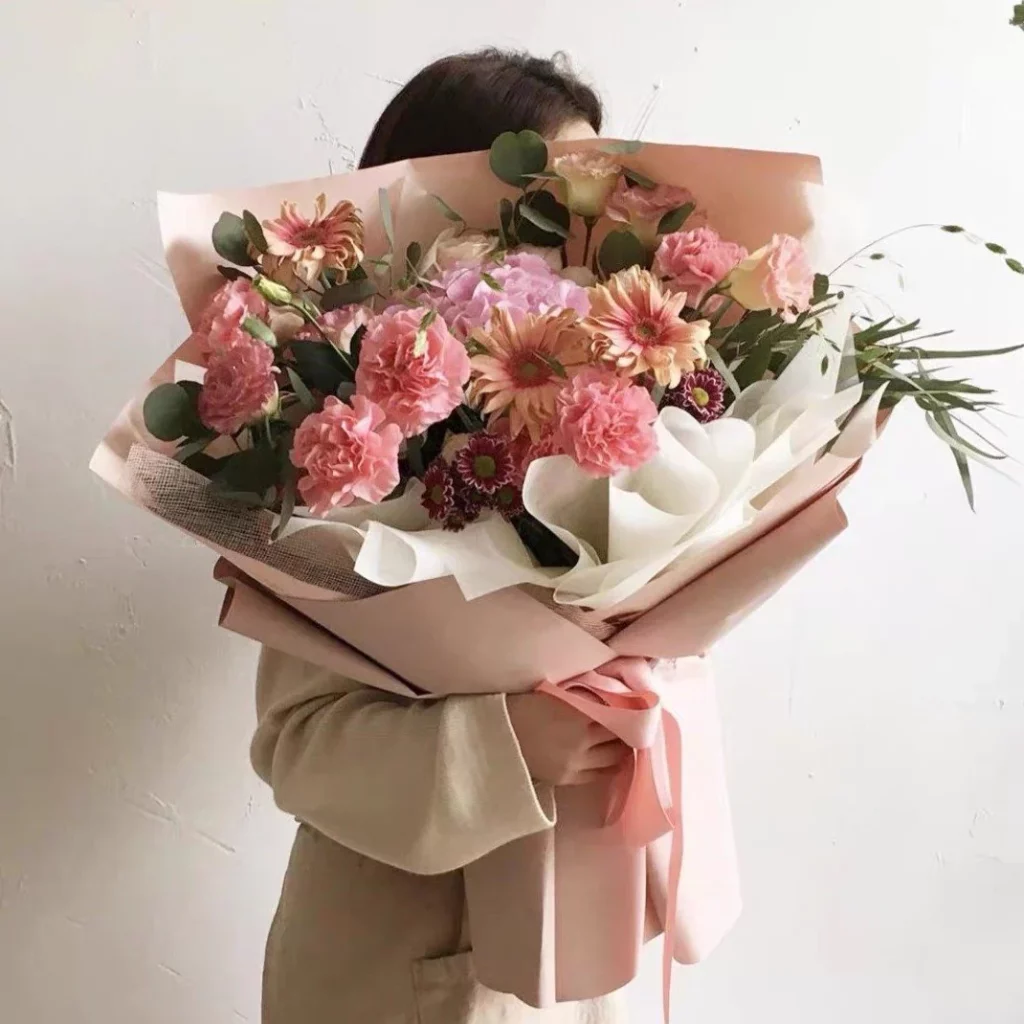
The “Focal and Fill” Framework
- The Fresh Focals: Reserve your budget for 3–5 high-impact fresh stems. These are your “stars”—think David Austin Roses or Anthiriums.
- The Dried Foundations: Use dried Eucalyptus, Bunny Tails (Lagurus), or Bleached Ferns to create the silhouette.
- The Bridge: Use “preserved” flowers (which look fresh but are treated) to bridge the gap between the two textures.
Colour Palette Coordination
In 2026, we are seeing a move toward monochromatic layering. Using a fresh white Rose alongside a bleached dried Ruscus and a cream-coloured preserved Hydrangea creates a sophisticated, tonal depth that looks incredibly expensive on camera.
Step-by-Step: Creating Your Hybrid Floral Strategy
If you are planning your wedding florals, follow this framework to ensure you are truly maximising your budget.
- Identify Your “Must-Have” Bloom: Pick one fresh flower that defines your wedding.
- Select Complementary Dried Textures: If your fresh flower is “soft” (like a Peony), choose “sharp” dried elements (like Italian Ruscus) for contrast.
- Consult on Preservation Techniques: Ensure your florist uses “glycerin-preserved” items rather than just “air-dried” items for a more supple, less brittle appearance.
- Plan the Afterlife: Decide which parts of the bouquet you want to keep. Many Australian couples now frame the dried elements of their hybrid bouquets as a 3D shadow box.
Common Mistakes to Avoid
- Over-drying: Using too many brittle, “crunchy” elements can make the bouquet look dead rather than designed.
- Water Sensitivity: Some dried elements (like dyed grasses) can bleed colour if they touch the wet stems of the fresh flowers. Ensure stems are properly wrapped.
- Ignoring Scent: Some preserved flowers have a chemical smell. Ensure your florist airs them out or uses high-quality botanicals.
Internal & External Linking Recommendations
Internal Linking Opportunities:
- Anchor Text: “Sustainable Wedding Trends 2026”
- Anchor Text: “Average Cost of Wedding Flowers in Australia”
- Anchor Text: “How to Preserve Your Wedding Bouquet”
Authoritative External References:
- The Australian Society of Florists (ASF) for seasonal availability guides.
- RMIT University Research on sustainable botanical preservation techniques.
Frequently Asked Questions (FAQ)
What is the average cost saving of a hybrid bouquet?
While prices vary by florist, a hybrid bouquet typically saves 15% to 25% compared to a premium, all-fresh bouquet of the same size. This is because dried fillers are often more cost-effective per square inch of volume.
Do hybrid bouquets smell different?
They often have a lighter, more “earthy” scent. You still get the fragrance of the fresh focal flowers, but it is grounded by the neutral, hay-like aroma of the dried elements.
Can I use hybrid arrangements for table centerpieces?
Absolutely. In fact, this is where you see the most significant budget maximisation. Using dried elements in large-scale installations (like “flower clouds”) reduces the need for expensive floral foam and heavy water-source containers.
How long do the fresh flowers last in a hybrid arrangement?
The fresh flowers will have the same lifespan as a traditional bouquet (usually 5–7 days if kept in water). However, once they fade, you can easily pluck them out and keep the dried arrangement as a permanent vase display.
Are dried flowers environmentally friendly?
Generally, yes. They have a lower carbon footprint regarding transport (they are lighter) and they don’t require refrigeration. However, it is best to avoid “chemically bleached” items if you want a strictly eco-friendly wedding.
Conclusion: The Future of Australian Floristry
Embracing Maximising Your Budget: The Rise of Hybrid Fresh and Dried Wedding Bouquets allows you to navigate the rising costs of wedding planning without sacrificing the lush, editorial look you see on social media. By strategically layering textures, you create a bouquet that is resilient, memorable, and remarkably cost-effective.