
Custom USB Bulk Orders: What Businesses Should Consider
What is the real goal of the USB order?
The goal should be defined before anyone picks a style or capacity. If they want a premium client gift, the bar for materials, packaging, and reliability is higher. If they need internal file distribution, they may prioritize speed, encryption, and consistent performance.
A clear goal also prevents overpaying for features no one uses, or underbuying for an audience that expects polish.
Who is the USB for, and how will it be used?
They should map the end user and the use case for custom usb bulk orders—whether for trade show visitors, new hires, conference attendees, customers receiving documentation, or IT teams deploying installers. Each audience handles and judges the drive differently.
If the drive will live on keychains, durability matters. If it will be used in presentations, consistent read speeds matter. If it will be mailed, size and packaging matter.
Which USB type and connector should they choose?
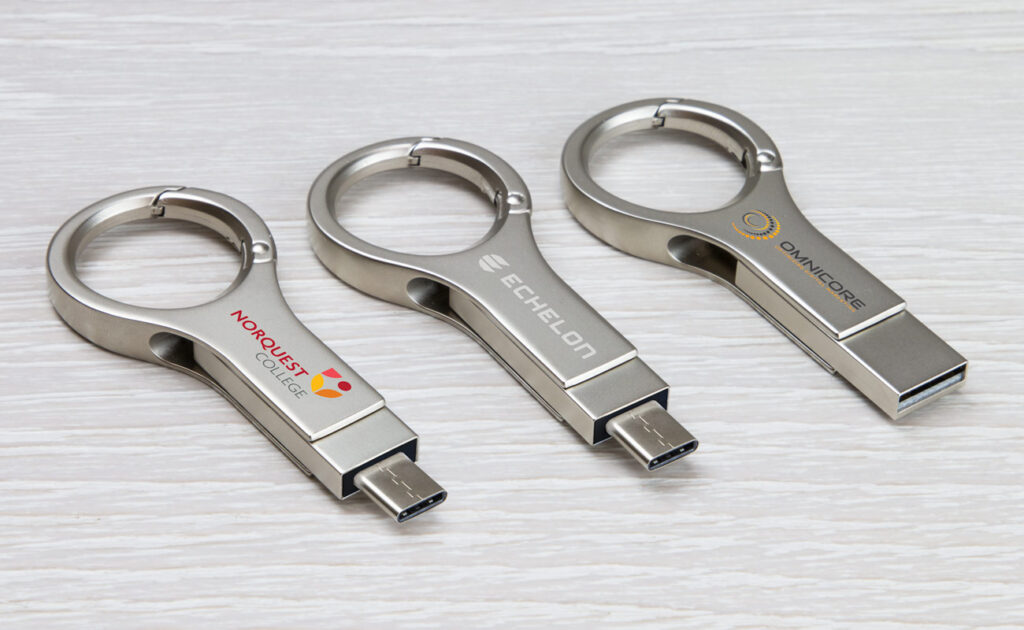
They should choose between USB-A, USB-C, or dual connectors based on the devices their audience actually uses. USB-A still covers many desktops and older laptops, while USB-C is increasingly standard on newer laptops, tablets, and phones.
Dual USB-A/USB-C drives often reduce compatibility complaints, but they can cost more. They should also confirm the USB version (2.0 vs 3.0/3.1) because it changes real-world transfer time and perceived quality.
How much storage capacity is enough without wasting budget?
They should size capacity to the file payload and leave headroom for future updates if the drive will be reused. For a simple PDF kit, lower capacities may be fine. For videos, installers, catalogs, or multi-language assets, higher capacities prevent awkward “file won’t fit” moments.
They should also consider that formatted capacity appears lower than advertised, which can confuse recipients if the drive ships nearly full.
Should they preload content, or leave the drives blank?
Preloading is useful when they want recipients to plug in and immediately access materials. It also helps maintain message control at events because the content is consistent for every person. Blank drives work better when the USB itself is the gift and the recipient decides how to use it.
If they preload, they should ask how the vendor handles file structure, naming, and whether they can include an autorun alternative like a simple “Start Here” file, since autorun behavior is restricted on many systems.
What branding method will look best and last the longest?
They should match branding to the material and the expected lifespan. Screen printing can be cost-effective for large runs but may wear with heavy use. Laser engraving tends to look more premium and durable on metal surfaces. Full-color printing is useful for complex logos but needs careful proofing.
They should request mockups and confirm logo placement, size, and color accuracy. A brand color that looks slightly off can make the item feel cheap, even if the hardware is fine.
What drive style fits the brand and the logistics?
They should pick a form factor that aligns with how the drive will be distributed. Credit-card USBs look great in kits and mailers but can be slower or more fragile depending on construction. Swivel drives are common and practical. Capless designs reduce lost parts. Novelty shapes attract attention but can feel gimmicky unless the brand is playful.
They should also think about packaging and storage because unusual shapes can increase shipping costs and complicate fulfillment.
How do they avoid low-quality flash memory and failure rates?
They should ask direct questions about memory type, sourcing, and quality control. Not all drives are equal, even when the specs look the same. Higher failure rates create brand damage, not just replacement costs.
They should request batch testing information and clarify the warranty and replacement process. If the vendor cannot explain testing, or avoids specifics, that is usually a risk signal.
Do they need encryption, password protection, or compliance features?
If they plan to distribute sensitive documents, they should not treat a USB like a neutral container. They should consider hardware encryption, management tools, or at least a process that reduces exposure if a drive is lost.
For regulated industries, they should verify whether the solution supports relevant requirements and whether encryption is hardware-based or software-based. They should also consider how end users will handle passwords, because “secure” often fails in real life if it is inconvenient.
How should they plan pricing, MOQs, and hidden costs?
They should price the project based on the full landed cost: unit price, setup fees, preloading fees, packaging, shipping, duties, and rush charges. The cheapest per-unit option can become expensive if it requires air shipping or rework due to proofing errors.
They should clarify minimum order quantities and price breaks, then decide whether ordering slightly more reduces cost enough to justify the extra inventory.
What timelines and approvals should they lock in before ordering?
They should build a timeline that includes design proofing, production, content approval (if preloading), and shipping. Proof delays are common because logos need resizing, colors need adjustment, or stakeholders want changes at the last minute.
They should ask for a production schedule in writing and confirm how changes affect delivery dates. If the drives are for an event, they should plan to receive them early enough to handle any defects or last-mile shipping issues.
How can they make sure the USBs work across Windows, macOS, and other systems?
They should confirm file system formatting and expected compatibility. Many drives ship as exFAT or FAT32, but the right choice depends on file sizes and devices. FAT32 has a file size limit that can break video distribution. exFAT supports larger files but may be less compatible with older devices.
They should also test a sample drive on the systems their audience uses, including corporate-managed devices that may block unknown USBs.
What should they request as samples and proofs?
They should request a physical sample when possible, especially for premium campaigns. Photos and mockups rarely capture material feel, print quality, or how a logo looks on curved surfaces.
They should also request a final proof for branding and, if preloading, a content verification step. A small typo on a printed package is annoying, but the wrong files on hundreds of drives is much worse.
What packaging and presentation choices improve perceived value?
Packaging changes how the item is judged. A simple pouch may suit internal use, while retail-style boxes can elevate the item for clients. If they include onboarding materials, QR codes, or short instructions, they reduce confusion and support requests.
They should also consider sustainability expectations. Eco-friendly packaging can matter to recipients, but it should still protect the drives during shipping.
How should they manage inventory and reorders?
They should plan where the USBs will be stored, who will ship them, and how they will track remaining quantities. Reorders can become inconsistent if the vendor changes components or print methods, so they should keep specs, proofs, and brand files organized.
If they anticipate ongoing use, they should ask the vendor whether the exact model will remain available and whether they can reserve stock.
What is the simplest way to make the order go smoothly?
They should start by documenting the essentials: audience, connector type, capacity, branding method, packaging, whether content is preloaded, and the deadline. Then they should order samples, lock the proof, and confirm production and shipping timelines in writing.
Bulk custom USB orders are straightforward when businesses treat them like a small product launch. When they do, the drives arrive on time, work as expected, and feel like a brand asset rather than a last-minute giveaway.
FAQs (Frequently Asked Questions)
What is the primary goal to define before ordering custom USB drives in bulk?
Before selecting style or capacity, define the real goal of the USB order—whether it’s a premium client gift requiring high-quality materials and packaging, or internal file distribution prioritizing speed and encryption. A clear goal helps avoid overpaying for unused features or underbuying for an audience expecting polish.
How do I choose the right USB type and connector for my audience?
Select between USB-A, USB-C, or dual connectors based on the devices your audience uses. USB-A covers many desktops and older laptops, while USB-C is common on newer laptops, tablets, and phones. Dual connectors reduce compatibility issues but may cost more. Also confirm the USB version (2.0 vs 3.0/3.1) as it affects transfer speeds and perceived quality.
What storage capacity should I select to balance budget and usability?
Size capacity according to your file payload with extra headroom for future updates if reuse is planned. Lower capacities suit simple PDFs, while videos or multi-language assets require higher capacities to avoid ‘file won’t fit’ issues. Remember that formatted capacity appears lower than advertised, which can confuse recipients if drives ship nearly full.
Should I preload content on the USB drives or leave them blank?
Preloading content enables recipients to immediately access materials and maintains message control at events with consistent content. Blank drives work better when the USB itself is a gift allowing recipients personal use. If preloading, verify how vendors handle file structure, naming, and inclusion of autorun alternatives like ‘Start Here’ files since autorun is restricted on many systems.
How can I ensure branding looks professional and lasts on custom USB drives?
Match branding methods to material and expected lifespan: screen printing is cost-effective for large runs but may wear off; laser engraving offers a premium, durable look especially on metal; full-color printing suits complex logos but needs careful proofing. Request mockups to confirm logo placement, size, and color accuracy as even slight color mismatches can cheapen appearance.
What factors affect pricing, minimum order quantities (MOQs), and hidden costs when ordering custom USBs?
Consider the full landed cost including unit price, setup fees, preloading fees, packaging, shipping, duties, and rush charges. The cheapest per-unit option might become costly due to air shipping or rework from proofing errors. Clarify MOQs and price breaks to decide if ordering more reduces overall cost enough to justify extra inventory.
See Also: