
What to Look for in Custom Lanyards Australia Orders
This guide covers what buyers should check before they approve artwork, pay a deposit, or commit to a bulk run.
What are the lanyards actually for?
When deciding Custom Lanyards Australia, they should choose specifications based on use, not just price. A lanyard for a three-day conference needs different priorities than one used daily on a job site.
For events, comfort and fast turnaround often matter most. For workplaces, durability, safety breakaways, and reliable clips tend to be the priority. For schools, softer materials and tamper-resistant attachments can reduce issues.
Which material makes the most sense?
Material affects feel, print quality, and lifespan. Polyester is common because it holds colour well and suits most printing methods.
Nylon often feels smoother and can produce sharper results for some print styles, but it can cost more. Woven options can look premium and last well, while eco materials like recycled PET suit sustainability goals if the supplier can back up the claim with clear sourcing.
What width and length should they choose?
They should pick a width that matches comfort and visibility. The most common widths are around 10mm, 15mm, and 20mm.
Narrower lanyards feel lighter but can twist more and show less branding. Wider lanyards are easier to read from a distance and can feel more substantial, but they may be warmer to wear. Adjustable length can help when the audience includes children or mixed roles.
Which printing method fits the design and budget?
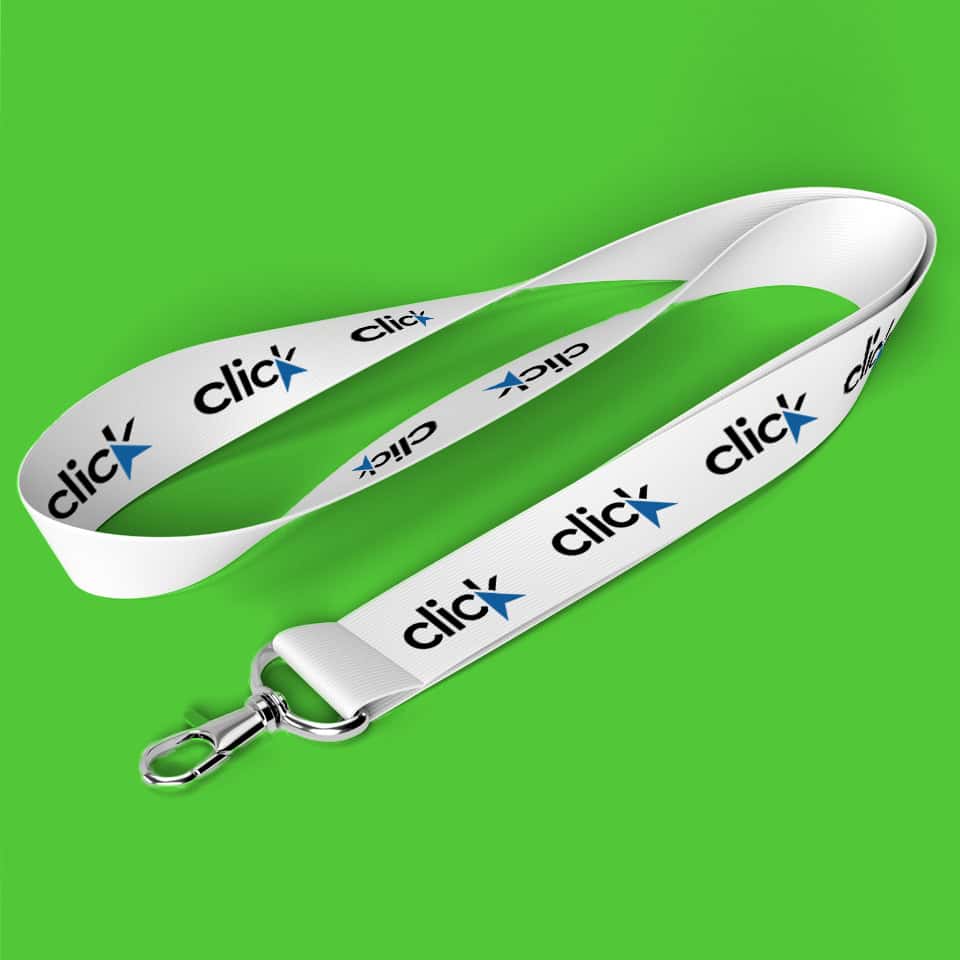
They should match the print method to the artwork. Dye sublimation suits full colour logos, gradients, and detailed designs and is often the go-to for modern branding.
Screen printing can be cost-effective for simple one or two colour designs, especially at scale. Woven text and logos can look high-end and resist fading, but fine detail may be limited. They should ask for photos of recent work, not just mock-ups.
What hardware and attachments should they specify?
Hardware decides how the lanyard performs day to day. They should choose clips based on what will hang from the lanyard, such as ID cards, keys, access fobs, or phones.
Common options include swivel hooks, trigger clips, bulldog clips, and detachable buckles. A detachable buckle is useful for scanning passes without removing the lanyard. If the lanyard will hold heavier items, they should confirm the clip rating and whether the stitching is reinforced.
Do they need safety features like breakaways?
For many workplaces and schools, yes. A safety breakaway can reduce choking and snagging risks, especially around machinery, active environments, or children.
They should confirm where the breakaway sits, how easily it releases, and whether it meets any internal safety policy. For some settings, a breakaway combined with a detachable buckle provides both safety and convenience.
How should they handle artwork, colour, and branding accuracy?
They should control branding by supplying proper files and asking the right proof questions. Vector formats are best for logos, and they should provide brand colour references such as Pantone where possible.
They should request a digital proof that shows placement, repeats, and safe margins. If colour accuracy is critical, they should ask about colour matching limits and whether a physical pre-production sample is available. They should also check how the design looks when the lanyard twists.
What compliance and quality checks matter in Australia?
They should ask what standards the supplier can support, particularly for government, health, and industrial buyers. Even when there is no single lanyard standard, there are still practical compliance concerns.
They should confirm materials are skin-safe for long wear, that metal parts are corrosion-resistant, and that inks or dyes are suitable for the intended use. If they need eco claims, they should ask for documentation rather than relying on marketing labels. See custom acrylic keychains cost-effective promotional products.
What quantities, lead times, and delivery details should they confirm?
They should lock in timings before approving the order. Australian orders often involve production plus shipping, and lead times can change around event seasons.
They should confirm minimum order quantity, production time, and freight method. They should also ask how delays are handled and whether partial shipments are possible. For urgent events, they should request an explicit dispatch date in writing.
What should they check in pricing so it stays comparable?
They should compare like-for-like quotes. A cheap unit price can hide extra costs for set-up, colour surcharges, breakaways, buckles, special clips, individual bagging, or express production.
They should ask for an itemised quote that lists lanyard type, print method, attachments, packaging, VAT, and delivery. They should also confirm whether the quote includes a proof and revisions, and whether there are fees for artwork changes after approval.
How can they avoid common mistakes before approving the final proof?
They should treat the proof as a production document, not a preview. Most problems come from missed details such as incorrect clip choice, wrong orientation, spelling errors, or logos placed too close to the edge.
They should check repeat spacing, logo direction, and whether text will read correctly when worn. They should confirm exact quantities per colour or style and ensure the delivery address and required date are correct. A final checklist saves far more money than a rushed reprint.
FAQs (Frequently Asked Questions)
What factors should I consider when choosing custom lanyards for different uses in Australia?
When ordering custom lanyards in Australia, it’s important to select specifications based on the intended use rather than just price. For events like conferences, prioritise comfort and fast turnaround times. For workplace use, focus on durability, safety breakaways, and reliable clips. In schools, opt for softer materials and tamper-resistant attachments to reduce issues.
Which materials are best suited for custom lanyards regarding feel, print quality, and sustainability?
Polyester is commonly used due to its excellent colour retention and compatibility with most printing methods. Nylon offers a smoother feel and sharper print results but can be pricier. Woven lanyards provide a premium look and durability. For eco-friendly options, recycled PET materials are suitable if the supplier provides clear sourcing documentation to back sustainability claims.
How do I choose the right width and length for my custom lanyards?
Select a width that balances comfort with branding visibility. Common widths include 10mm, 15mm, and 20mm. Narrower lanyards are lighter but may twist more and display less branding, while wider ones offer better readability from a distance but might feel warmer to wear. Adjustable lengths are beneficial when catering to children or mixed user groups.
What printing methods are available for custom lanyards, and how do I match them to my design and budget?
Dye sublimation is ideal for full-colour logos, gradients, and detailed designs, making it popular for modern branding. Screen printing is cost-effective for simple one or two-colour designs at scale. Woven text and logos give a high-end appearance with excellent fade resistance but may limit fine detail. Always request photos of recent work rather than just mock-ups to assess quality.
Which hardware attachments should I specify for my custom lanyards?
Choose hardware based on what will be attached to the lanyard—ID cards, keys, access fobs, or phones. Common options include swivel hooks, trigger clips, bulldog clips, and detachable buckles. Detachable buckles facilitate scanning passes without removing the lanyard. For heavier items, verify clip weight ratings and reinforced stitching to ensure durability.
Are safety features like breakaway clasps necessary for custom lanyards in workplaces or schools?
Yes, safety breakaways reduce choking and snagging risks in environments with machinery or active movement, especially around children. Confirm the breakaway’s position on the lanyard, ease of release, and compliance with any internal safety policies. Combining a breakaway with a detachable buckle can enhance both safety and convenience.