
Metal Business Cards: Are They Worth It for Premium Brands?
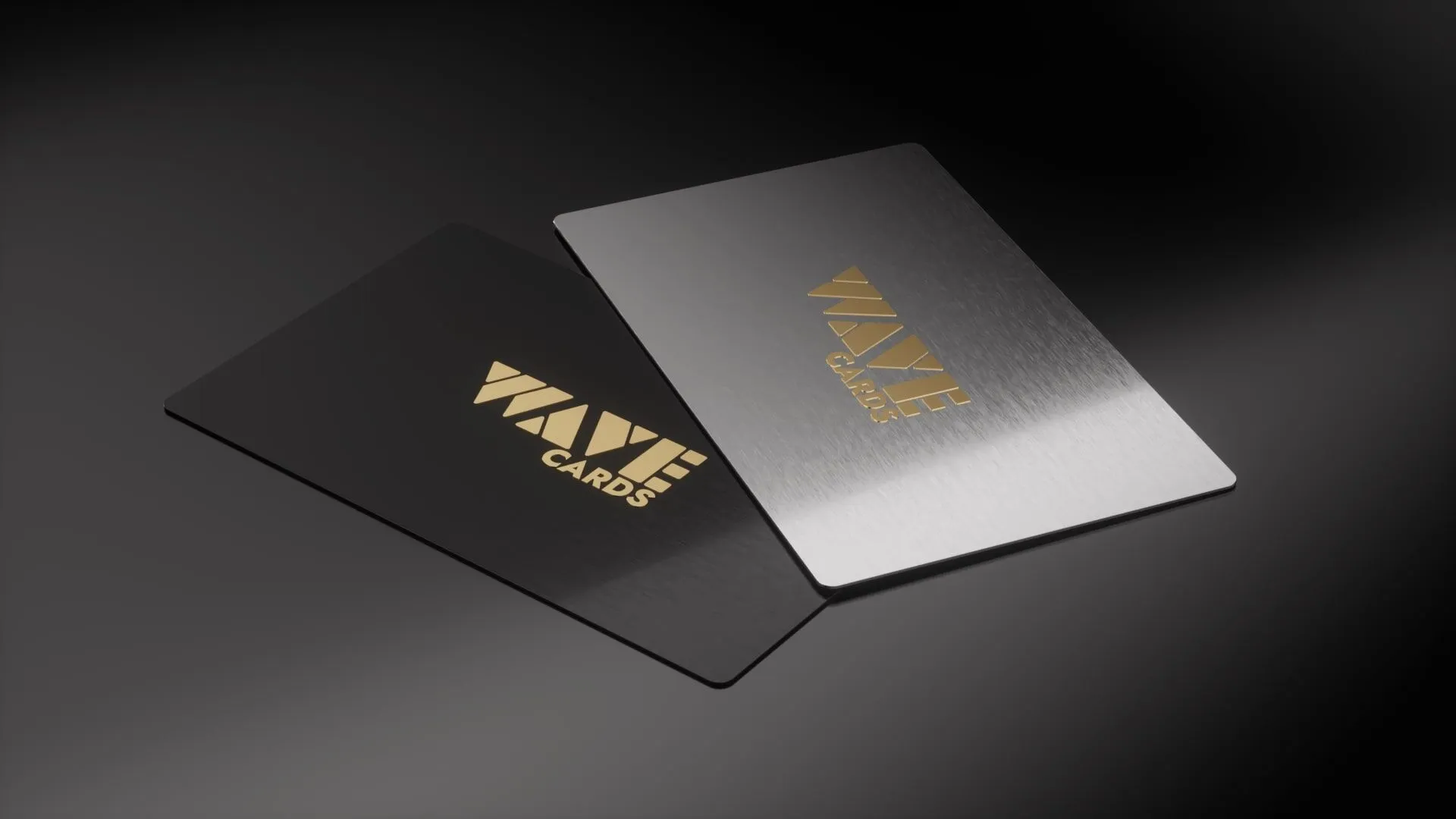
What makes metal business cards feel premium?
They feel premium because they are heavier, more tactile, and harder to ignore than paper. A well designed metal card signals investment, intention, and confidence, which can match high ticket services and luxury positioning.
Metal also supports design details that read as “crafted,” like etched type, cutouts, and brushed finishes. When using Metal Business Cards, these premium features can align closely with a brand’s visual identity and reinforce trust in seconds.
Do metal business cards actually improve first impressions?
They can, especially in face to face settings where the handoff is part of the experience. The novelty and weight often create a brief pause, and that pause can make the person more likely to remember the brand and the conversation.
But the improvement is situational. If the brand promise is about warmth, accessibility, or simplicity, the card can feel overdone. First impressions improve when the card feels like a natural extension of the brand, not a prop.
Who benefits most from metal business cards?
They tend to work best for brands selling high margin, high trust offers. Think luxury real estate, private wealth, bespoke design, high end hospitality, premium events, or niche B2B consultancies with large contracts.
They are also useful when fewer introductions matter more. If a team meets a small number of ideal prospects and needs to be remembered, metal can outperform paper simply through differentiation.
When are metal business cards not worth it?
They are not worth it when the team hands out cards in high volume, attends large conferences, or targets price sensitive buyers. In those contexts, the cost per meaningful conversation rises quickly.
They can also backfire when the brand is early stage and still refining messaging. If the positioning changes, the cards become expensive leftovers. For many brands, a premium paper card plus strong follow up can be a better first step.
How much do metal business cards cost compared to paper?
They cost significantly more than standard paper, and often more than premium letterpress. That higher unit cost is only justified if the card increases conversion or improves recall with decision makers.
The better comparison is not “metal vs paper” but “metal vs another acquisition cost.” If a brand spends heavily on ads or sponsorships, metal cards can be cheap in comparison when they help close even one additional deal.
What design choices make metal cards look classy instead of flashy?
They look classy when restraint leads the design. Clean typography, strong spacing, and minimal copy usually read more premium than oversized logos or crowded layouts.
Finish matters too. Brushed metal, matte black, or subtle engraving often feels more luxury than high shine. If color is used, a single accent can be enough. The goal is to make the card feel like a product, not a novelty.
Should premium brands add QR codes or NFC to metal business cards?
They should, but only if it improves the handoff. A discreet QR code can link to a tailored landing page, a calendar, or a portfolio, which helps the conversation continue after the event.
NFC can feel seamless, but it can also create friction if the other person is unsure how to use it. Many premium brands use both: NFC for the smooth moment, and a QR code as a visible backup.
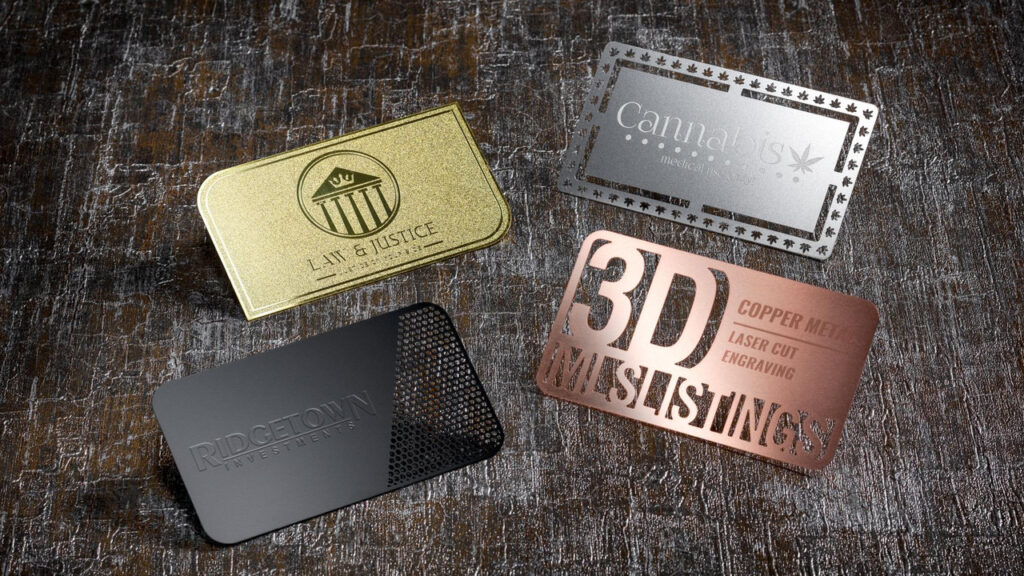
Do metal business cards create any practical problems?
Yes, and the team should plan for them. Some metal cards have sharp edges, which feels unpleasant and can damage wallets. Rounded corners and quality finishing solve most of that.
They can also be awkward in certain settings. Some people do not like carrying heavy cards, and a few will hesitate to keep something that feels expensive to throw away. Premium brands can avoid this by giving metal cards selectively, not universally.
How can a brand decide if metal cards will deliver ROI?
They can treat it like a small experiment. The simplest approach is to give metal cards only to high intent prospects for a set period, and track outcomes like booked calls, replies, referrals, and deal velocity.
They should also compare results against a control group using premium paper cards. If metal does not clearly improve the next step, the brand can keep the look and feel premium with better paper, better copy, and a better follow up process.
What is the best way for premium brands to use metal business cards?
They work best as a “tiered” tool. Many premium brands carry paper cards for general networking and reserve metal cards for ideal prospects, partners, and high value introductions.
They also work best when paired with a strong line at handoff. If the person understands what the brand does and what to do next, the card becomes a reminder to act, not just a souvenir.
Are metal business cards worth it for premium brands?
They are worth it when the brand benefits from memorability, sells high value offers, and networks in smaller numbers where each introduction matters. They are not worth it when volume matters more than impact, or when the brand identity does not support a bold physical signal.
For premium brands, metal business cards are most effective when they are used selectively, designed with restraint, and tied to a clear next step.
FAQs (Frequently Asked Questions)
What makes metal business cards feel premium compared to paper cards?
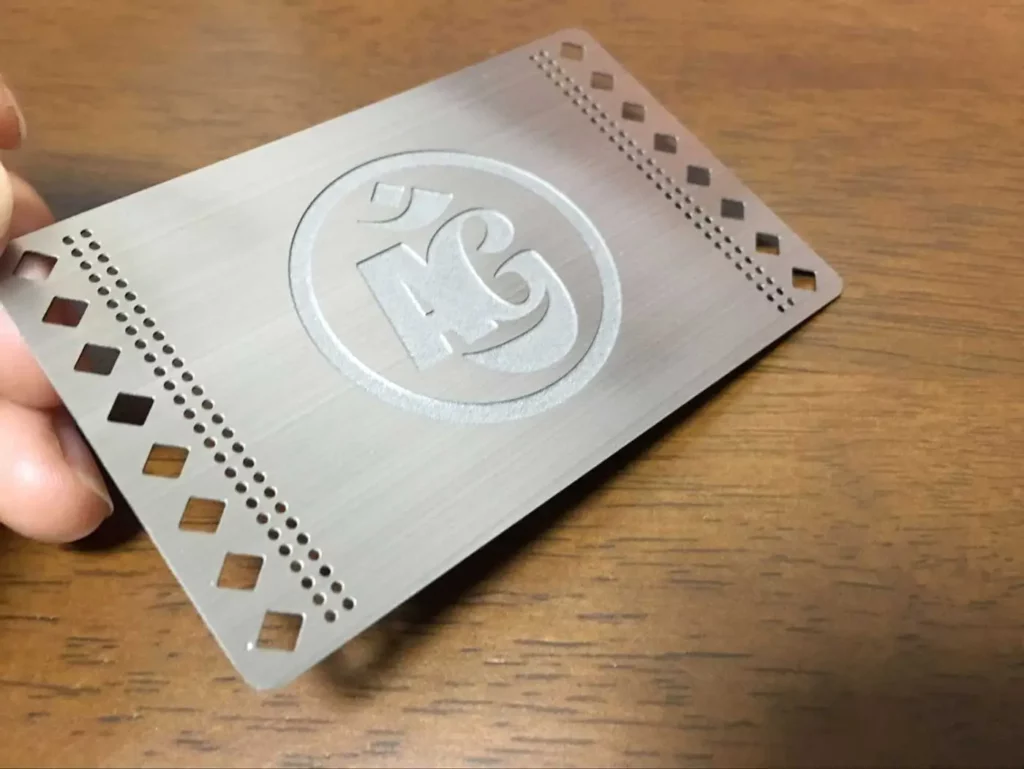
Metal business cards feel premium because they are heavier, more tactile, and harder to ignore than paper. Their design elements like etched type, cutouts, and brushed finishes signal investment, intention, and confidence, aligning well with luxury positioning and high-ticket services.
Do metal business cards actually improve first impressions during networking?
Yes, especially in face-to-face settings where the handoff is part of the experience. The novelty and weight create a brief pause that can enhance brand recall and make the conversation more memorable. However, their effectiveness depends on alignment with the brand’s promise; they may feel overdone if the brand emphasizes warmth or simplicity.
Which types of brands benefit most from using metal business cards?
Brands selling high-margin, high-trust offers such as luxury real estate, private wealth management, bespoke design, high-end hospitality, premium events, or niche B2B consultancies benefit most. Metal cards excel when fewer introductions matter more and differentiation is key to being remembered.
When are metal business cards not a worthwhile investment?
They are less worthwhile when teams distribute cards in high volumes at large conferences or target price-sensitive buyers due to rising costs per meaningful interaction. They also pose risks for early-stage brands still refining messaging since repositioning can render expensive metal cards obsolete.
How should premium brands design metal business cards to look classy rather than flashy?
Classy metal business cards feature restrained designs with clean typography, strong spacing, and minimal copy. Finishes like brushed metal, matte black, or subtle engraving convey luxury better than high shine. Using a single color accent helps maintain a product-like feel instead of a novelty look.
What is the best strategy for premium brands to use metal business cards effectively?
Premium brands should adopt a tiered approach—using standard paper cards for general networking while reserving metal cards for ideal prospects and high-value introductions. Pairing metal cards with a clear verbal line at handoff ensures the card acts as a reminder to take action rather than just a souvenir.
See Also: Custom USB bulk orders: what businesses should consider